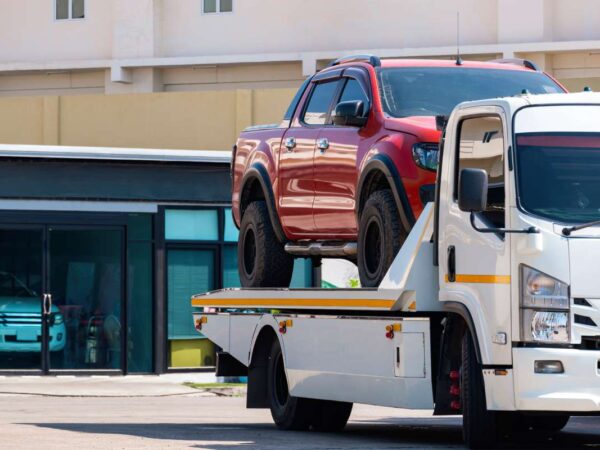

Australian Towing Laws and Regulations Guide

Understanding towing regulations in Australia is more important than many drivers realise. Whether you are towing a trailer for weekend travel, operating a tow truck, or organising vehicle transport after a breakdown or accident, the rules governing towing activities can directly affect safety, legality, and cost.
While there are broad similarities nationwide, towing laws are primarily regulated at the state and territory level, meaning the requirements and restrictions can vary significantly depending on location.
Failing to comply with towing regulations can lead to fines, disputes over charges, insurance complications, and, most importantly, safety risks for drivers and other road users.
This guide provides a practical overview of towing regulations across major Australian jurisdictions, helping motorists and businesses better understand their obligations.
Queensland (QLD)
In Queensland, towing operations are governed by relatively modern legislation designed to improve safety, transparency, and consumer protection. The Tow Truck Act 2023 and Tow Truck Regulation 2024 establish the framework for how towing services operate, particularly in relation to crash towing and private-property towing.
A key focus of Queensland’s regulations is accreditation. Tow truck operators, drivers, and even the vehicles themselves must meet specific licensing and approval standards. This ensures that only authorised providers conduct regulated towing work, particularly at crash scenes where safety and ethical conduct are critical.
For everyday motorists, Queensland’s road rules also specify responsibilities when towing trailers, caravans, or boats. Drivers must ensure:
- The towing vehicle is rated to tow the intended load
- The trailer and coupling are roadworthy and compliant
- Legal mass limits are not exceeded
- Loads are properly secured
Queensland also regulates attendance at crash scenes. Only authorised tow trucks may respond to certain incidents, helping reduce dangerous roadside behaviour and aggressive solicitation practices. These rules exist to protect vulnerable motorists who may be distressed following an accident.
New South Wales (NSW)
In New South Wales, the towing industry operates under one of the most structured regulatory systems in Australia. The Tow Truck Industry Act 1998 and Tow Truck Industry Regulation 2020 outline detailed requirements for licensing, conduct, and pricing transparency.
Tow truck operators must hold a valid operator licence issued by NSW Fair Trading. Drivers must also obtain individual driver certificates, confirming their eligibility to perform towing work. Vehicles themselves are subject to classification rules and must display distinctive TT plates, making them easily identifiable.
NSW regulations address several critical areas:
Licensing and Certification
Operators, drivers, and depots must be formally approved. Holding yards used for storing towed vehicles must meet regulatory standards.
Conduct at Accident Scenes
Strict behavioural rules apply at crash locations. Unauthorised solicitation, unsafe practices, and certain fee structures are prohibited.
Charging Transparency
Tow truck businesses must publish their fees and comply with rules preventing hidden charges or unfair add-ons.
Record-Keeping
Operators must maintain detailed documentation of towing activities, protecting both consumers and regulators.
These measures aim to reduce predatory towing practices and ensure motorists have clear information about who is towing their vehicle and why.
Victoria (VIC)
In Victoria, towing regulations distinguish clearly between accident towing and trade towing. Accident towing services are governed by the Accident Towing Services Act 2007 and Accident Towing Services Regulations 2019, which establish controlled accident-towing zones, particularly in metropolitan Melbourne.
Victoria’s regulatory model emphasises order and fairness. Only rostered or authorised tow trucks may attend accident scenes within controlled areas. This prevents chaotic roadside situations and protects motorists from high-pressure tactics.
Important elements of Victorian towing regulations include:
- Mandatory operator accreditation
- Certified tow truck drivers
- Approved depots and storage facilities
- Regulated towing and storage charges
Victoria has also introduced safety-focused road rules affecting all drivers. When passing stationary emergency or incident response vehicles — including tow trucks displaying warning lights — motorists are required to slow to 40 km/h. This rule is designed to protect roadside workers who face significant risks from passing traffic.
For drivers towing trailers or caravans, Victorian road rules align with national safety principles, including mass limits, braking requirements, and load security obligations.
Western Australia (WA)
Western Australia has recently undergone significant regulatory reform in the towing sector. The Towing Services Act 2024 and Towing Services Regulations 2025 represent a modernised approach to licensing, consumer protection, and fee regulation. These laws came into force in early 2025 and introduced notable changes for both operators and motorists.
A major feature of WA’s updated framework is pricing control for crash-scene towing of light vehicles in the Perth and Peel regions. Maximum charges apply, reducing the risk of excessive fees during stressful incidents.
The WA regulations address:
Licensing and Authorisation
Tow truck businesses and vehicles must be properly licensed to conduct regulated work.
Disclosure Obligations
Operators are required to clearly disclose towing and storage fees, improving consumer transparency.
Conduct Standards
Rules govern how operators interact with motorists, particularly following accidents.
Consumer Safeguards
Protections exist to minimise disputes and unfair practices.
These reforms reflect growing national attention on ethical towing practices and consumer rights. For vehicle owners requiring longer-distance transport rather than emergency towing, logistics providers such as WA Freight often operate under separate freight and transport regulations rather than tow-truck-specific laws.
Other States and Territories
Although Queensland, New South Wales, Victoria, and Western Australia often receive the most attention, every Australian jurisdiction maintains its own towing rules.
In South Australia, towing requirements are embedded within road traffic and consumer legislation, covering licensing, safety obligations, and mass limits.
The Northern Territory regulates tow truck operations, vehicle standards, and towing safety under transport and traffic laws suited to its unique road conditions and long-distance travel environment.
Tasmania similarly applies state-specific rules addressing operator licensing, vehicle compliance, and road safety standards.
Because laws differ, operators and drivers travelling interstate must remain aware of jurisdictional changes. What is permissible in one state may be restricted in another. This is particularly relevant for national transport businesses, including companies like WA Freight, that coordinate vehicle movements across multiple states.
National Regulatory Themes
Despite state-based variations, Australian towing regulations share several common principles.
Licensing and Accreditation
Across Australia, tow truck operators and drivers typically require formal authorisation. This protects consumers and promotes industry accountability.
Safety and Roadworthiness
Towing vehicles must meet equipment and maintenance standards. Couplings, braking systems, lighting, and load restraints are subject to rules designed to reduce accidents.
Crash-Scene Controls
Towing from accident locations is heavily regulated nationwide. These rules prevent unsafe roadside behaviour and unethical solicitation.
Pricing and Transparency
Many jurisdictions impose disclosure requirements or charge caps, particularly for accident towing.
Consumer Protection
Legislation commonly targets predatory practices, hidden fees, and improper vehicle retention.
Why These Regulations Matter
Towing laws are not simply bureaucratic requirements — they are closely tied to safety and financial protection.
Improper towing setups can lead to vehicle instability, trailer sway, braking failures, and catastrophic accidents. Unlicensed operators can expose motorists to inflated charges, vehicle damage, and legal disputes. Insurance providers may also scrutinise towing compliance when assessing claims.
For businesses, regulatory breaches can result in penalties, reputational damage, and licence suspension.
Practical Tips for Motorists
Regardless of state, motorists can reduce risk by following a few universal guidelines:
- Confirm your vehicle’s towing capacity
- Check trailer mass limits and braking requirements
- Inspect couplings, chains, and electrical connections
- Secure loads properly
- Use reputable, licensed towing providers
- Request clear fee disclosure before authorising towing
Understanding your rights and obligations helps prevent unnecessary costs and complications.
Final Thoughts
Australian towing regulations form a complex but essential framework protecting road users, consumers, and industry participants. Because rules vary between jurisdictions, awareness is critical — particularly for drivers travelling interstate or businesses operating across multiple regions.
When in doubt, consult your local transport authority or work with a properly licensed towing or vehicle transport provider. Compliance is not merely about avoiding fines; it is about safeguarding vehicles, finances, and lives on Australian roads.